Essential Pet First Aid Tips Every Pet Owner Should Know
- Karl Mitchell
- Oct 21, 2025
- 4 min read

As a pet owner, your furry friends depend on you for their health and safety. Accidents can happen unexpectedly, and being equipped with pet first aid knowledge can make a huge difference in an emergency. This guide provides essential tips that every pet owner should know, preparing you to act quickly and effectively when your pet needs help.
Understanding Basic First Aid
First aid is the immediate care provided to an injured or ill animal before professional veterinary assistance arrives. Knowing basic first aid can empower you to take quick action when needed. Common issues requiring first aid include:
Cuts and scrapes: Often caused by rough play or sharp objects.
Bites: From other animals or even humans.
Choking: This can occur if pets swallow large objects or food.
Allergic reactions: Can be triggered by food, medications, or insect stings.
Check your pet’s responsiveness, breathing, and look for visible injuries. If your pet is unresponsive or struggling to breathe, get veterinary help immediately.
Essential Supplies for Your Pet First Aid Kit
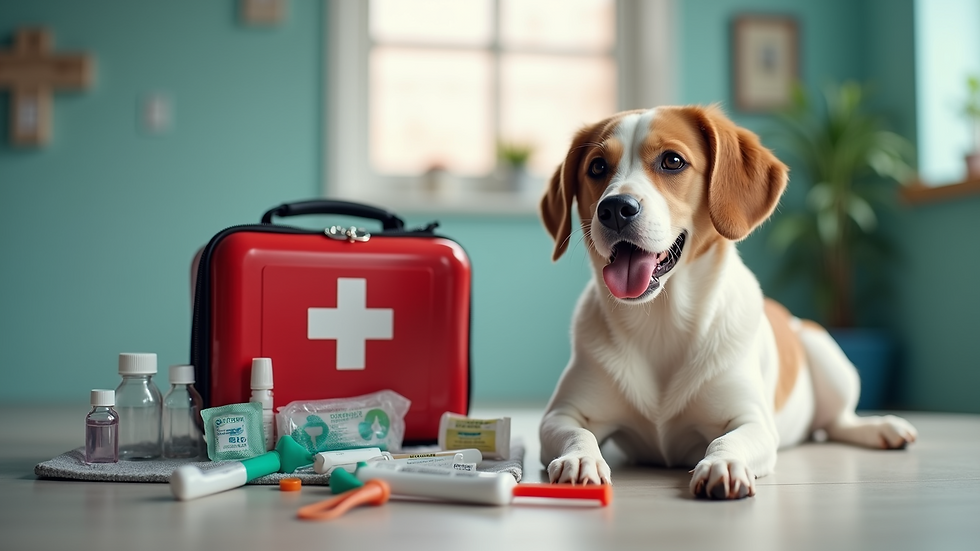
Having a well-stocked pet first aid kit is crucial for any pet owner. Here are key items to include:
Gauze and bandages: Important for wrapping wounds and controlling bleeding. A good rule of thumb is to have at least 3 different sizes of bandages.
Antiseptic wipes and solutions: Ideal for cleaning wounds to prevent infection. For instance, hydrogen peroxide can effectively clean minor cuts but is not suitable for all wounds.
Make sure to check the contents of your first aid kit regularly. Replace any expired items, ensuring everything is in good condition.
How to Handle Cuts and Scrapes
When your pet gets a cut or scrape, cleaning the wound properly is essential. Follow these steps:
Wash the area gently with warm water and mild soap.
Pat the area dry with a clean cloth.
Apply an antiseptic solution to prevent infection.
Cover the wound with a sterile bandage.
Always monitor the wound for signs of infection, such as swelling or pus. In 2019, a study found that 18% of pet owners noticed their pets develop infections after a minor injury. If infection develops, contact your veterinarian for further guidance.
Dealing with Choking
Choking is a serious emergency for pets. Look for signs like gagging, pawing at the mouth, or difficulty breathing. If your pet can still cough, encourage them to do so, as this could help remove the object.
If your pet cannot breathe, you may need to perform the Heimlich maneuver. For small dogs:
Hold them with their back against your chest.
Give a firm upward thrust just below the ribcage.
For larger dogs:
Stand behind the dog and make a fist just below their ribcage.
Thrust inward and upward until the object is dislodged.
Recognizing Allergic Reactions
Pets can suffer from allergic reactions to various triggers including certain foods, insect bites, or medications. Symptoms to watch for include:
Swelling
Hives
Vomiting or diarrhea
Difficulty breathing
If you see any of these signs, especially that your pet has trouble breathing, get veterinary help right away. According to a survey by the American Kennel Club, 10% of dogs experience allergies at some point in their lives.
Before administering any medication like antihistamines, consult your veterinarian to ensure safety.

Managing Burns and Heatstroke
Burns can result from hot surfaces, chemicals, or sun exposure. If your pet gets burned:
Cool the area with running water for at least 10 minutes.
Avoid using ice, which can worsen the injury.
Cover the burn with a clean, dry cloth and seek veterinary care.
Heatstroke is especially dangerous on hot days. Symptoms include excessive panting, drooling, and lethargy. If you suspect heatstroke:
Move your pet to a cooler area immediately.
Offer small amounts of water.
Use cool (not cold) water to lower their body temperature.
In severe cases, heatstroke can lead to organ failure. A study published by the Journal of Veterinary Emergency and Critical Care noted that 20% of dogs suffering from heatstroke did not survive hospitalization.
When to Seek Veterinary Help
While first aid can be life-saving, professional veterinary care is crucial in some situations. Seek help immediately if your pet shows:
Unconsciousness or severe lethargy
Difficulty breathing or persistent coughing
Severe bleeding that does not stop
Signs of pain or distress that you cannot manage
Trust your instincts as a pet owner. It's always better to consult a veterinarian if something seems off.
Final Thoughts
Being equipped with essential pet first aid knowledge can significantly impact your pet's health and safety. By mastering basic first aid techniques and maintaining a well-stocked first aid kit, you can ensure that you’re prepared for an emergency.
Remember, while first aid is a valuable skill, it doesn't replace professional veterinary care. Always reach out to your veterinarian for health concerns regarding your pet. With these tips, you can provide the best care for your cherished companions and help keep them safe and healthy.



Comments