Understanding the Dangerous Dogs Act 1991: What It Means for Dog Owners in the UK
- Karl Mitchell
- Oct 21, 2025
- 4 min read

The Dangerous Dogs Act 1991 has shaped the landscape of dog ownership in the UK and continues to spark conversation. Many people are unsure about how this legislation affects them and their pets. With dog-related incidents making headlines, it is essential for dog owners to grasp the law’s implications. Whether you are a seasoned owner or considering getting a dog, being aware of this act is crucial for ensuring safety and compliance.
Background of the Dangerous Dogs Act 1991
The Dangerous Dogs Act was brought into law following several alarming dog attacks that heightened fears about public safety. The legislation identifies specific breeds as dangerous and outlines dog owners’ responsibilities. Its primary goal is to minimize the risk of incidents and ensure dogs are managed appropriately.
Initially, the law banned four breeds: the Pit Bull Terrier, the Japanese Tosa, the Dogo Argentino, and the Fila Brasileiro. Despite this focus, the act can apply to any dog deemed dangerous, irrespective of breed. For example, the act is not limited to bully breeds; it can affect dogs that might exhibit aggressive behaviors due to a lack of training or socialization.

Key Provisions of the Act
Every dog owner should be familiar with these important provisions in the Dangerous Dogs Act 1991:
Banned Breeds: Ownership, sale, or breeding of the listed breeds is illegal. Owners face strict regulations, such as mandatory registration and muzzling when in public spaces. For instance, lack of compliance may lead to legal actions or fines exceeding £1,000.
Control of Dogs: Owners must keep their dogs under control at all times, especially in public. This includes using leashes in open areas. Failure to do so can result in intervention from local authorities.
Penalties for Non-Compliance: Ignoring the law can lead to severe consequences. For example, an owner might face fines up to £5,000 or potential jail time. Additionally, a dangerous dog could be seized, and in extreme cases, euthanized, highlighting the act's strict enforcement policies.
Public Safety: The act allows authorities to seize dogs perceived as dangerous, even if they are not on the banned list. This means that your dog could be taken if it behaves aggressively, regardless of breed.
Understanding these provisions helps dog owners navigate the often-complicated legal requirements of pet ownership in the UK.
The Impact on Dog Owners
The implications of the Dangerous Dogs Act 1991 extend beyond the legal realm. Many owners of banned breeds find it challenging to secure housing. Landlords frequently refuse tenants with certain breeds due to fear of liability. Research indicates that renters with banned breeds may face a 20% increase in housing costs or outright denial from up to 40% of rental properties.
Insurance can also be a significant challenge. Many companies treat coverage for specific breeds as high-risk, leading to premiums that can be double or triple that for non-banned breeds. This financially burdens responsible owners and contributes to a negative perception of specific dog breeds, often resulting in discrimination against dogs that are well-trained and socialized.
Training and Socialization
Training and socialization stand out as key strategies for responsible dog ownership. The Dangerous Dogs Act encourages owners to ensure their dogs are well-trained and exposed to various environments, strangers, and other animals. A well-socialized dog is less likely to react aggressively.
Statistics show that dogs enrolled in training classes demonstrate a 50% reduction in aggressive incidents. Therefore, investing time in training is not only beneficial for the dog but contributes to a safer environment for the community. Seek professional trainers who can guide you through the process and provide a structured approach to training.
Legal Responsibilities of Dog Owners
Dog owners must fulfill specific responsibilities under the Dangerous Dogs Act 1991:
Ensuring Control: Keeping dogs under control at all times is non-negotiable. This responsibility extends to public areas, private spaces, and during interactions with other people and pets.
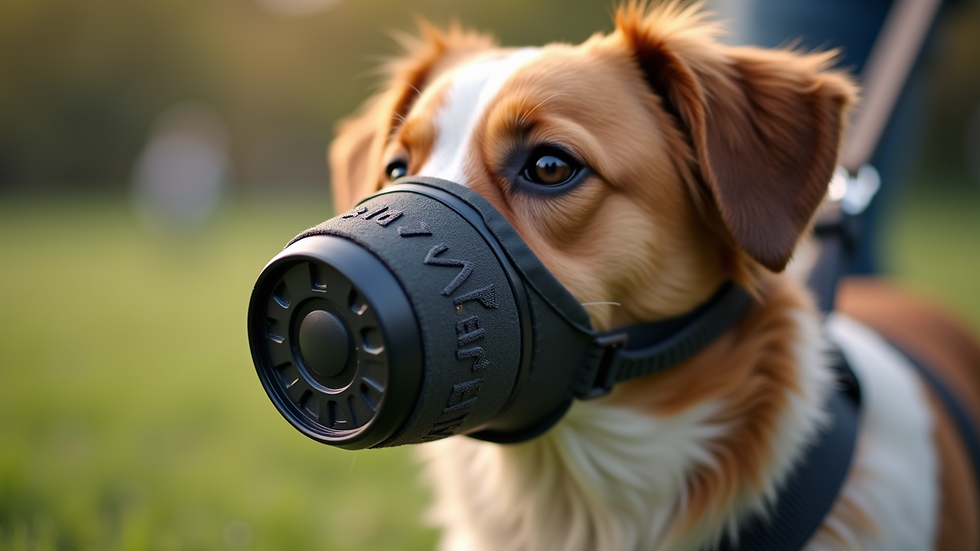
Muzzling and Leashing: Owners of banned breeds must muzzle and leash their dogs in public areas. Neglecting this responsibility could lead to injuries and serious legal consequences.
Reporting Incidents: If a dog injures someone, owners must report these incidents to the authorities. Ignoring this requirement can impose legal penalties and responsibilities on the owner.
Being informed about these legal responsibilities helps dog owners avoid repercussions while contributing to community safety.
The Future of the Dangerous Dogs Act
The Dangerous Dogs Act 1991 has come under scrutiny and debate, with many pushing for reforms. Advocacy groups argue for a shift away from breed-specific legislation towards individual assessments based on a dog's behavior. This new approach emphasizes the significance of responsible ownership and training.
Currently, there is a growing call for legislation that focuses on the theory that a dog’s behavior is influenced more by its upbringing and environment than its breed. Pet owners should stay updated on potential changes to the law and remain proactive in their responsibilities.

Final Thoughts on Responsible Dog Ownership
The Dangerous Dogs Act 1991 remains a critical factor that influences dog ownership across the UK. By understanding its provisions, recognizing responsibilities, and prioritizing training, dog owners can help ensure the safety of both their pets and the public.
As conversations around dog ownership evolve, it is essential to stay engaged and informed. By promoting responsible pet ownership and advocating for thoughtful legislative changes, we can foster a more understanding and safe community for every dog and its owner.



Comments